
Coping with Bereavement: Healing Through Grief, Support, and Self Care

Grief can make ordinary life feel unfamiliar. A kettle boiling, an empty chair, a familiar song in a shop, any small thing can bring a wave of sadness, anger, guilt, numbness, or longing.
Bereavement is not one single feeling. It is a whole change in the way life looks and feels after someone dies. Some people cry often. Some feel calm at first, then collapse weeks later. Some become busy and practical. Others struggle to get through the day. None of these responses mean someone is “
This article offers compassionate, practical ways to cope with bereavement, including support from others, self-care that actually helps, and gentle steps for the days when life feels too heavy. The personal stories included are anonymised composite examples, based on common experiences many grievin

Grief does not follow a neat timetable
Many people expect grief to move in stages, as if sadness will slowly reduce in a tidy line. Real grief is rarely that orderly.
It can come in waves. A person may feel almost normal one morning, then be hit by deep pain in the afternoon. Anniversaries, birthdays, family events, certain smells, or even quiet Sundays can bring the loss close again. This does not mean healing has stopped. It means love and memory still have a p
After her father died, Maya expected the funeral to be the hardest part. It was painful, but the weeks afterwards were harder. Friends went back to work. The sympathy cards stopped arriving. She found herself standing in the supermarket, unable to choose bread because her mind kept repeating, “I can
What helped Maya was not trying to “move on”. It was allowing herself to notice the grief without judging it. She began saying, “This is one of those waves.” That small sentence gave her a little distance from the pain. It did not remove the loss, but it helped her survive the moment.
Grief can also include feelings that surprise people:
- Relief after a long illness or painful decline
- Anger at the person who died, doctors, family members, or life itself
- Guilt about things said, unsaid, done, or not done
- Numbness, as if the mind has gone quiet to protect itself
- A sense of unreality, especially in the early weeks
- Exhaustion that feels physical as well as emotional
These reactions are common. They do not make the love any less real.
A helpful first step is to stop measuring grief against anyone else’s. Some people return to routines quickly. Some need far longer. Some talk openly. Some grieve in private. Healing does not mean forgetting. It means slowly learning how to live with the loss as part of life, rather than as the whol
Small coping strategies can make the next hour easier
When grief is raw, long-term advice can feel impossible. “Look after yourself” may sound kind, but too vague. In the hardest moments, it can help to focus on the next hour, or even the next ten minutes.
David lost his partner suddenly. In the first month, he stopped planning whole days because the thought of them overwhelmed him. Instead, he made a simple morning list: open the curtains, drink water, feed the dog, shower if possible. He did not always complete it. But the list gave him something so
Practical coping strategies are not meant to fix grief. They create small railings to hold on to.
Try one or two of these, not all at once:
Choose one daily anchor This could be making tea, taking medication, opening a window, or stepping outside. Repeating one small act can give the day a shape.
Write down what feels unsayable A notebook can hold anger, regret, memories, questions, and love. It does not need to be tidy or wise. It only needs to be honest.
Create a memory ritual Light a candle, cook a favourite meal, visit a meaningful place, play a song, or keep a photo nearby. Rituals can give grief somewhere to go.
Break tasks into tiny steps Instead of “sort the house”, try “put one load of washing on” or “open one letter”. Bereavement can make simple tasks feel huge.
Set gentle limits on difficult conversations It is acceptable to say, “I cannot talk about this right now,” or “I can manage ten minutes, then I need a rest.”
Keep a note of what helps Grief can affect memory. If a walk, phone call, bath, prayer, breathing exercise, or TV programme helps, write it down for the next hard day.
Some people find comfort in talking to the person who died. Others write letters to them. Some keep their belongings close. Others need to put certain items away for a while. There is no single correct approach.
Ruth, whose adult son died, found that people often tried to cheer her up. What she needed was space to say his name. A friend began asking, “Would you like to tell me something about him today?” Sometimes Ruth said yes. Sometimes no. The question itself helped because it showed that her son had not
Coping with bereavement is often less about grand breakthroughs and more about small acts of steadiness repeated over time.

Support systems help grief feel less lonely
Grief can be isolating, even when people care. Friends may not know what to say. Family members may grieve in different ways. Some people avoid the subject because they fear causing more pain, not realising the pain is already there.
Support matters because bereavement is heavy to carry alone. The right support does not rush, judge, or try to tidy up the sadness. It stays present.
Support can come from different places.
Family and friends can help with emotional and practical needs. A neighbour might bring food. A sibling might deal with paperwork. A friend might sit through a film with no expectation of conversation. These small acts can matter more than perfect words.
It can help to be specific when asking for support. Many people say, “Let me know if you need anything,” but grieving people often cannot think clearly enough to answer. Concrete requests are easier:
- “Could you pick up some milk and bread?”
- “Can you sit with me for an hour this evening?”
- “Would you help me make two phone calls?”
- “Please keep inviting me, even if I often say no.”
- “Can we talk about them? I do not want everyone to avoid their name.”
Support groups can also be valuable. Speaking with others who have experienced loss can reduce the sense of being strange or alone. A group may be in person, online, faith-based, community-led, or connected to a charity. In the UK, organisations such as Cruse Bereavement Support and local hospice se
Some people worry that joining a group means their grief is “too much”. It does not. It simply means they deserve company in it.
Professional support can help when grief feels unmanageable, traumatic, or tangled with depression, anxiety, or past losses. Counselling gives space to speak freely, without protecting family members or managing anyone else’s feelings. It can be especially helpful after sudden death, suicide, the de
There is also a place for spiritual, cultural, or community support. Faith leaders, community elders, memorial traditions, prayer, or shared ceremonies can offer comfort and continuity. For some, these connections are central. For others, quiet personal rituals feel more fitting.
The key is not the type of support. The key is whether it helps the grieving person feel less alone, less judged, and more able to breathe.

Self-care during grief should be gentle and realistic
Self-care after bereavement is not about spa days or forced positivity. It is about meeting basic needs when the body and mind are under strain.
Grief can affect sleep, appetite, concentration, digestion, energy, and immune resilience. It can make time feel distorted. Days blur. Nights stretch. A person may forget meals, lose interest in food, or eat for comfort and then feel guilty. The aim is not perfection. The aim is care.
Start with the basics.
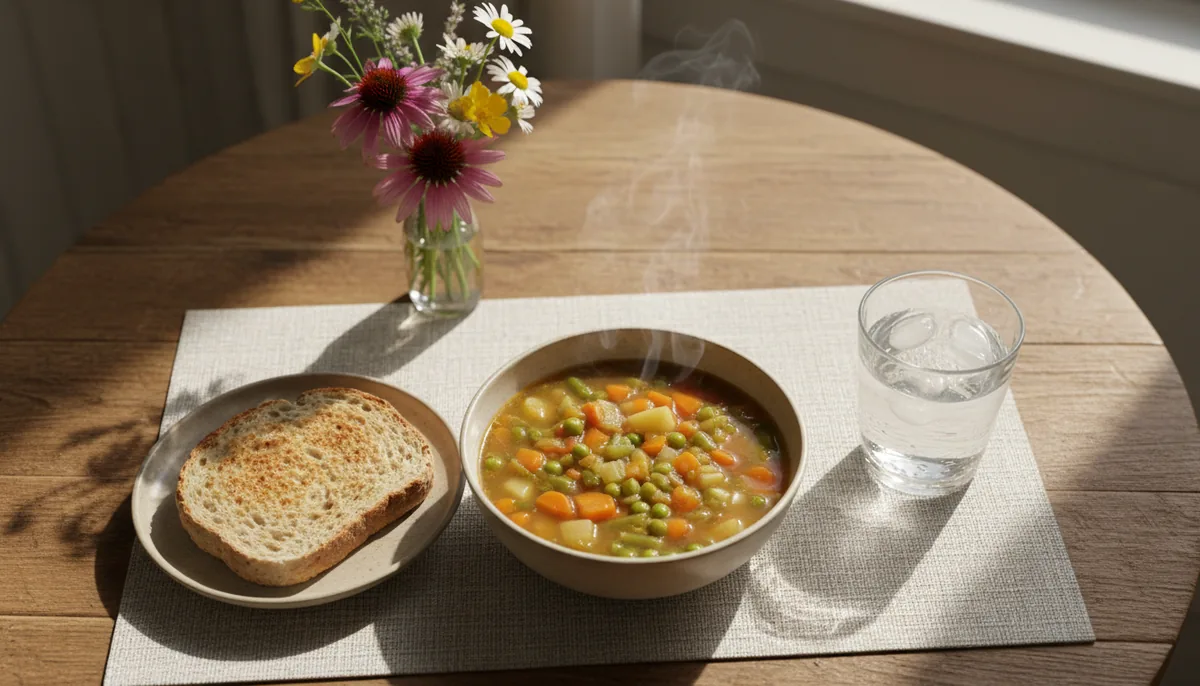
Drink water regularly. Eat something simple, even if it is toast, soup, yoghurt, fruit, or a ready meal. Rest when possible, even if sleep is broken. Step outside for light and air. Move your body gently, perhaps through a short walk, stretching, gardening, or cleaning one small area.
If decisions feel too hard, reduce them. Wear comfortable clothes. Eat familiar meals. Keep a short list of essential tasks. Use reminders for appointments, bills, medication, and meals. Grief uses a lot of mental energy, so make life simpler where possible.
It also helps to protect space for grief. Many people feel pressure to return to normal quickly. Yet suppressing every feeling can make the days harder. Set aside a small pocket of time to cry, write, look at photos, pray, talk, or sit quietly. If the feelings arrive outside that time, they can stil
At the same time, it is allowed to have moments of relief. Laughing at a programme, enjoying food, noticing sunshine, or having a pleasant conversation does not betray the person who died. Love does not require constant suffering.
Be careful with alcohol or other substances. They may numb pain for a short time, but they can worsen sleep, mood, and anxiety. If they start to feel necessary to get through the day, it is a good time to seek support.
There are moments when extra help is urgent. If someone feels at risk of harming themselves, cannot stay safe, or feels unable to carry on, they should seek immediate support. In the UK and Ireland, Samaritans can be contacted free on 116 123. If there is immediate danger, call emergency services. F
This article is for general information and emotional support. It is not a substitute for medical or mental health care.
Healing means carrying love forward
Healing after bereavement does not mean reaching a day when the loss no longer matters. It means the grief begins to change shape. The sharpness may soften. The memories may become easier to hold. Life may slowly make room for both sorrow and meaning.
For some, healing includes commemorating the person through charity work, caring for family, planting a tree, making a memory box, or continuing a tradition. For others, it looks quieter: getting through the first birthday, returning to a favourite walk, or saying their name without breaking apart e
There may still be hard days years later. That does not mean healing has failed. Grief often returns at important moments because love remains connected to them.
A gentle way forward is to ask, “What would help me get through today with a little more kindness?” Some days the answer will be company. Some days it will be rest. Some days it will be practical help, tears, fresh air, or silence.
Bereavement asks people to live with an absence that cannot be filled. Yet with time, support, and steady self-care, life can begin to hold the loss differently. Not neatly. Not quickly. But with more room to breathe.
No one has to be brave every day. Reaching out, resting, remembering, and taking the next small step are all forms of courage.